
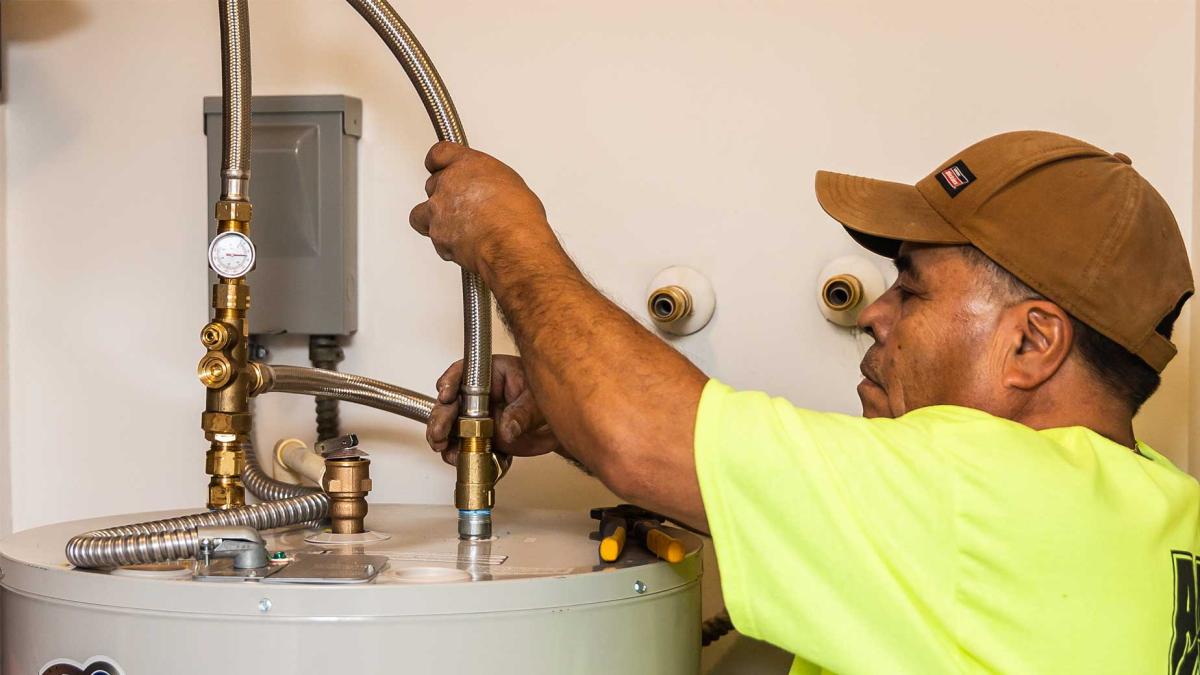
Winter in Sunbury often brings a noticeable increase in hot water system breakdowns. As temperatures drop, households rely more heavily on hot water for showers, cleaning and daily use. What may have been a minor issue during warmer months can quickly turn into a complete system failure when demand rises.
Many homeowners only realise the condition of their system when it stops working altogether. Understanding why failures are more common in winter can help you take preventative steps before problems escalate.
Why Winter Puts Extra Pressure on Hot Water Systems
Hot water systems work harder during colder months for two main reasons. First, incoming water temperature is significantly lower in winter. This means the system must use more energy to heat water to the desired level.
Second, household usage typically increases. Longer showers, more frequent hot water use and additional laundry loads all contribute to higher demand. When both factors combine, the system operates under continuous stress.
If the unit is already ageing or has underlying faults, winter conditions can push it beyond its capacity.
Common Reasons for Increased Failures
Several factors explain why hot water systems tend to fail more frequently during winter in Sunbury homes.
Higher Demand on the System
In winter, multiple household members may use hot water within short periods. This places pressure on both storage and continuous flow systems.
Storage tanks may struggle to keep up with demand, leading to rapid depletion of hot water. Continuous flow systems, while designed for ongoing supply, can also experience strain if components are worn or undersized for the property.
Systems that were adequate in summer may become insufficient during colder months.
Ageing Components and Wear
Most hot water systems have a lifespan of around eight to fifteen years, depending on type and maintenance. Over time, internal components such as heating elements, burners and thermostats begin to wear out.
During winter, these ageing parts are pushed harder than usual. A weakened heating element may fail when required to operate for longer periods. Similarly, sediment buildup inside the tank can reduce efficiency and increase strain on the system.
Older units are far more likely to fail during periods of high demand.
Sediment Buildup and Reduced Efficiency
Mineral deposits naturally accumulate inside storage tanks over time. This sediment forms a layer at the bottom of the tank, insulating the water from the heating source.
As a result, the system must work harder to achieve the same temperature. In winter, when heating requirements are already higher, this reduced efficiency becomes more noticeable.
Sediment buildup can also cause unusual noises and increase the risk of internal damage.
Pressure Fluctuations
Cold weather can affect water pressure within the system. Changes in pressure may place additional stress on valves and pipe connections.
If pressure regulation is already compromised, leaks or component failure may occur during peak usage periods.
Secondary Risks: Hidden Causes You Might Overlook
While most hot water failures are linked to mechanical wear or increased demand, external factors can also contribute.
Rodent Damage to Pipes and Insulation
In colder months, rodents often seek warmth and shelter in roof spaces or near water systems. They may chew on insulation, wiring or even plastic piping.
Damage to pipes can lead to small leaks that reduce system efficiency or cause pressure loss. In more serious cases, compromised insulation affects the system’s ability to retain heat.
If rodent activity is suspected, engaging a pest control expert becomes necessary to prevent further damage. A qualified Rodent exterminator can address infestations and reduce the risk of ongoing plumbing issues linked to pests.
Ignoring this possibility can result in repeated system faults that are difficult to diagnose.
Warning Signs Before a Complete Failure
Hot water systems rarely fail without warning. Recognising early signs can help prevent a complete breakdown.
Common indicators include:
- Water is taking longer to heat
- Reduced hot water supply
- Unusual noises from the tank
- Discoloured or rusty water
- Fluctuating water temperature
These symptoms suggest that the system is struggling and may not cope with continued winter demand.
The Importance of Professional Assessment
When a hot water system begins to show signs of stress, professional inspection is essential. A detailed assessment can identify worn components, sediment buildup or pressure issues before they lead to failure.
Engaging experts for Hot Water Installation Melbourne ensures that any replacement or upgrade is suited to the property’s needs. Choosing Hot water services also guarantees compliance with safety standards and proper system sizing.
Professionals can determine whether repair is sufficient or if replacement is the more practical option. They also ensure that the system is capable of handling peak winter demand without performance issues.
Preventative Steps for Homeowners
Preparing your hot water system before winter can reduce the likelihood of unexpected breakdowns.
Regular servicing helps remove sediment, check pressure levels and inspect key components. Ensuring the system is operating efficiently before temperatures drop allows it to handle increased demand more effectively.
Simple actions such as monitoring performance and addressing minor issues early can prevent costly emergency repairs.
Conclusion: Stay Ahead of Winter Breakdowns
Hot water system failures are more common in Sunbury during winter because of increased demand, colder inlet water and the strain placed on ageing components. Sediment buildup, pressure changes and even external factors such as rodent damage can all contribute to system breakdown.
Ignoring early warning signs often leads to complete failure at the worst possible time. Taking preventative steps and arranging professional inspections helps ensure your system is ready for winter conditions.
If your hot water system is showing signs of strain, do not wait for it to fail. A timely assessment and proper preparation can keep your home comfortable and avoid unexpected disruptions during the colder months.